

Virginia homebuyers finally have more houses to choose from, but the monthly cost of owning one remains difficult to ignore. Mortgage rates are above 7%, and prices in some parts of the state are still climbing despite slower sales.
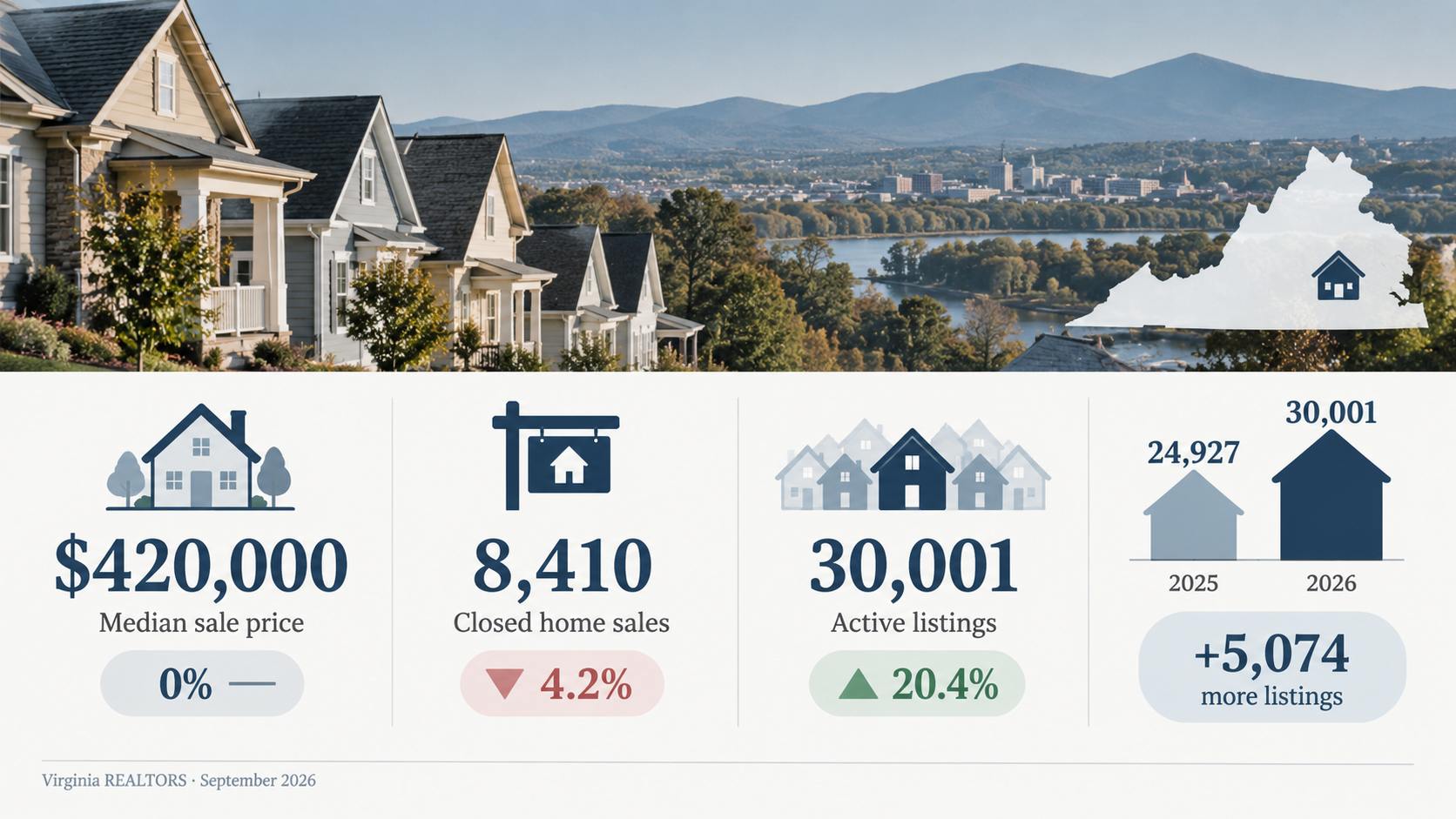
September 2026 brought an interesting change. The statewide median home sale price stayed at $420,000, exactly where it stood a year earlier. Meanwhile, available listings jumped 20.4%, giving buyers more opportunities to compare properties and negotiate.
Buying before the end of 2026 could work in your favor if you find a fairly priced house and can comfortably afford the mortgage. Waiting until 2027 may bring lower borrowing costs or more homes to choose from, but there is no guarantee that prices will fall.
Virginia Home Prices Have Stopped Rising Statewide, but Not Everywhere
The September 2026 housing report from Virginia REALTORS shows that the market is slowing after years of intense competition.
| Housing Market Indicator | September 2026 | Change From September 2025 |
| Median sale price | $420,000 | Unchanged |
| Closed home sales | 8,410 | Down 4.2% |
| Active listings | 30,001 | Up 20.4% |
| Change in available homes | 5,074 more listings | Compared with September 2025 |
Buyers have gained considerable choice. A year ago, there were fewer than 25,000 homes available across Virginia. By September 2026, that number had reached 30,001.
More listings mean a buyer who dislikes the condition or asking price of one property has a better chance of finding an alternative.
However, prices have not fallen everywhere. In August, the statewide median sale price was $449,000, up 4.4% from August 2025. The September figures suggest the pace of price growth is cooling rather than proving a sustained statewide decline.
Mortgage Rates Are Making Houses More Expensive Than They Look
A house priced at $400,000 can look affordable until the mortgage payment is calculated.
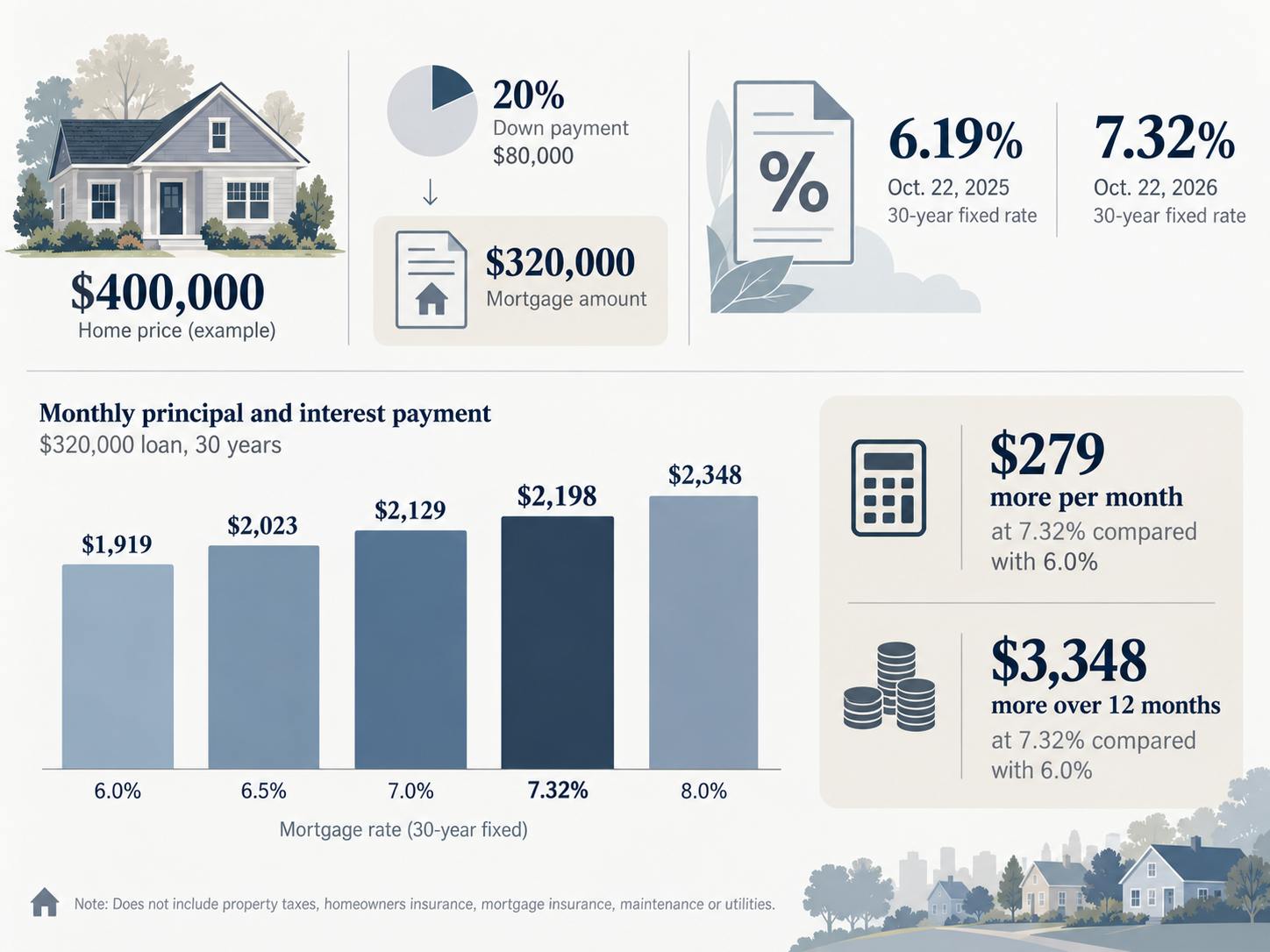
On October 22, 2026, Freddie Mac reported an average 30-year fixed mortgage rate of 7.32%. One year earlier, the average was 6.19%.
For a buyer putting 20% down on a $400,000 house, the mortgage would be $320,000. The table below shows how the monthly payment changes with the interest rate.
| Mortgage Rate | Monthly Principal and Interest |
| 6.0% | $1,919 |
| 6.5% | $2,023 |
| 7.0% | $2,129 |
| 7.32% | $2,198 |
| 8.0% | $2,348 |
Illustrative payments for a $320,000 loan over 30 years, rounded to the nearest dollar. Property taxes, insurance, mortgage insurance, maintenance and other expenses are excluded.
At 7.32%, the monthly principal and interest payment is $279 higher than at 6%. That adds $3,348 over twelve months.
Buyers should consider the complete monthly housing expense, not only the mortgage. Property taxes, homeowners insurance, utilities and maintenance can add hundreds of dollars to the monthly budget.
The impact on affordability is also clear in the income needed to buy a home in Virginia, particularly in expensive communities where purchase prices are already beyond the reach of many first-time buyers.
Northern Virginia Is Still a Much More Expensive Market
A statewide median of $420,000 does not describe the prices buyers face in Arlington, Fairfax or Alexandria.
According to the Northern Virginia Association of Realtors, the regional median sale price reached $744,950 in September 2026, an increase of 4.2% from a year earlier.
Active listings increased 30.7%, but prices continued rising. Condo and townhome inventory showed particularly substantial growth.
For buyers in Northern Virginia, the growing number of listings may create more opportunities to negotiate, especially on properties that have remained unsold for several weeks.
Yet a larger selection does not make an expensive mortgage affordable. Buyers should set a firm monthly payment limit before searching and avoid increasing their budgets simply because a lender approves a larger loan.
Smaller homes, condos and townhouses may offer a lower purchase price, but association fees can increase the total monthly cost.
Virginia Beach, Norfolk and Chesapeake Require a Closer Look
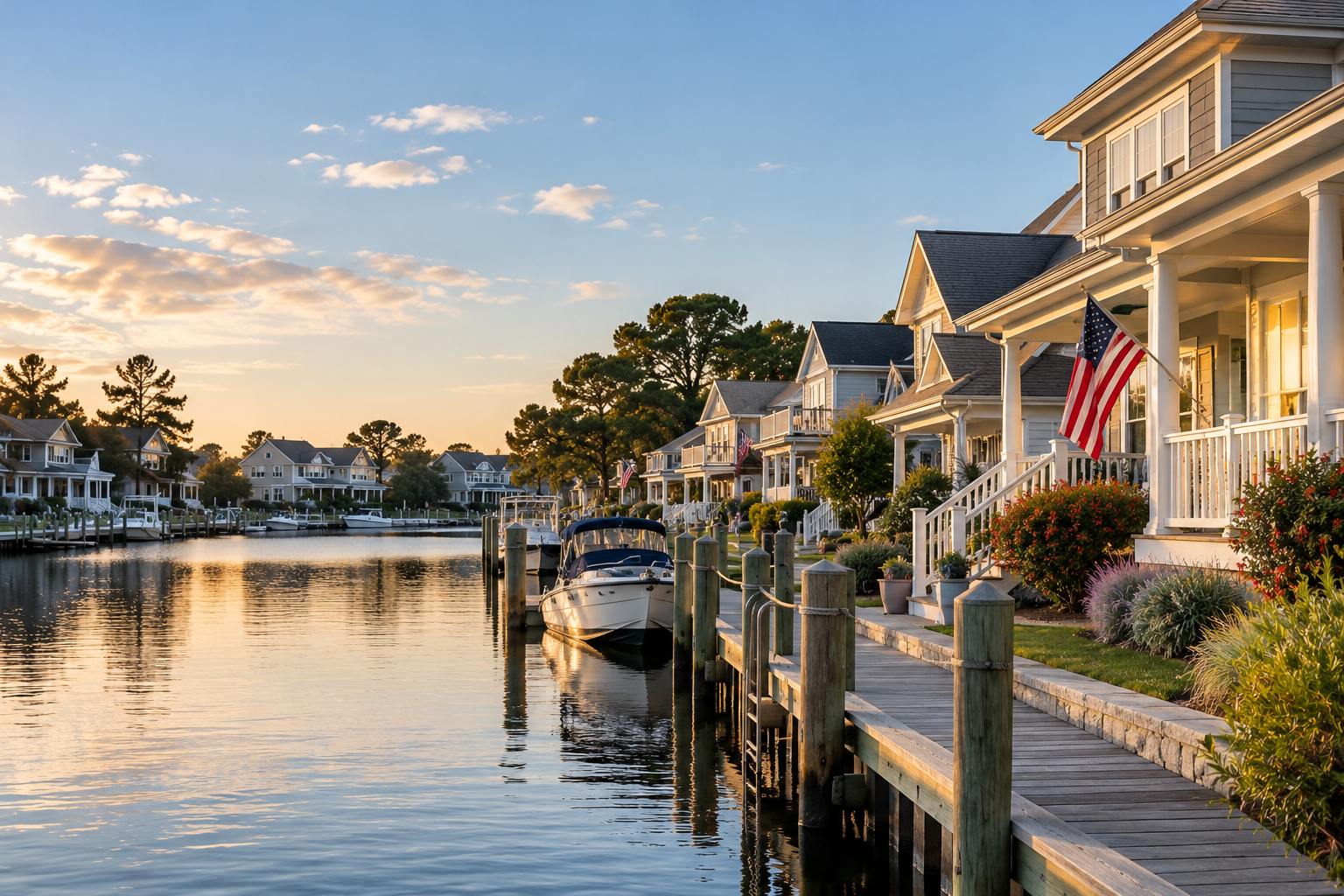
Hampton Roads buyers face a different set of concerns from those shopping near Washington, D.C.
In Virginia Beach, Norfolk and Chesapeake, property condition and location can have a significant effect on ownership expenses. Two houses with similar asking prices may carry very different insurance costs or repair needs.
Flood exposure deserves special attention in coastal communities. The FEMA Flood Map Service Center provides official flood hazard maps, although buyers should also review local flood history and obtain property-specific insurance quotes.
A home outside a high-risk flood zone is not automatically free from flooding risk. Heavy rain, drainage problems and nearby waterways can still affect properties.
Before making an offer, investigate the age of the roof, drainage around the foundation, heating and cooling systems, and signs of previous water damage.
Those findings can influence the purchase more than a small change in mortgage rates.
Buying an Older House Could Be a Better Deal Than Waiting for a New One
Not every buyer needs a newly built house with a modern kitchen and finished outdoor space.
Older properties with sound structures but dated interiors may deserve attention, particularly if they have been sitting on the market longer than nearby renovated homes.
The key is separating inexpensive cosmetic improvements from costly repairs.
Repainting walls, replacing worn light fixtures and refinishing cabinets are manageable projects. Structural damage, a failing roof or serious foundation movement can quickly consume the savings from a lower purchase price.
The architectural details found in many traditional Virginia homes can also be worth preserving. Original brickwork, timber features and attractive windows may need maintenance rather than replacement.
A house with damaged siding or worn exterior walls may still be worth buying if the repairs are affordable. Repainting can restore a faded facade, while materials such as timber or composite cladding can replace sections that are beyond repair. Ask a contractor for an estimate before buying. A lower asking price is not much of a bargain if the exterior needs thousands of dollars in work.
Ask the home inspector to identify urgent repairs and obtain contractor estimates before the inspection contingency expires. A $15,000 repair can turn an apparently affordable property into an expensive purchase.

First-Time Buyers Should Check Virginia Housing Assistance
Some buyers may be able to purchase earlier with help covering their down payment.
Virginia Housing offers a Down Payment Assistance Grant for eligible borrowers using qualifying Virginia Housing loans.
The grant can reduce the cash required upfront. Eligibility depends on factors including income, location, loan type and purchase price limits.
Buyers should confirm the current requirements with an approved lender before assuming they qualify.
Local programs may also be available. Some cities and counties offer separate assistance for qualifying first-time buyers, although funding and eligibility rules vary.
For people with stable employment and sufficient savings for ongoing ownership expenses, assistance with the down payment could make purchasing in 2026 more realistic.
What Should Buyers Watch in Early 2027?
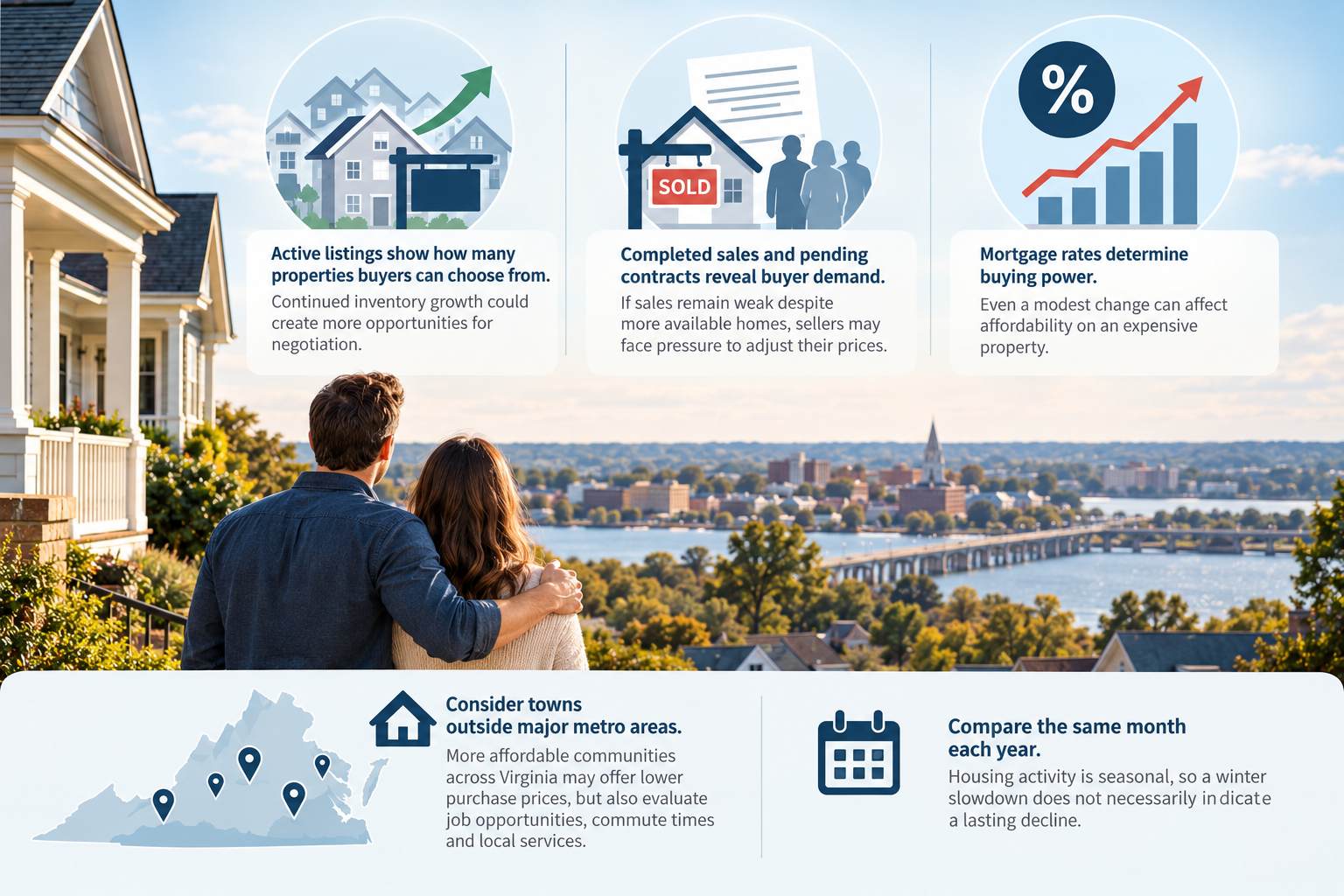
Three figures will help show how the market is developing.
Active listings indicate how many properties buyers can choose from. Continued inventory growth could create more opportunities for negotiation.
Completed sales and pending contracts reveal buyer demand. If sales remain weak despite more available homes, sellers may face pressure to adjust their prices.
Mortgage rates determine how much buyers can borrow at a manageable monthly payment. Even a modest change can affect affordability on an expensive property.
Compare figures from the same month in consecutive years. Housing activity changes seasonally, and a winter slowdown does not necessarily indicate a lasting decline.
For buyers willing to consider locations outside the larger metropolitan areas, affordable towns across Virginia may offer lower purchase prices, although employment opportunities, commuting distance and local services deserve attention.
The Bottom Line
For buyers with stable finances, late 2026 offers one clear advantage. There are more homes available, sales have slowed, and sellers face greater competition than they did a year ago.
Mortgage rates remain the major obstacle. A $420,000 property financed at current rates is a significant monthly commitment, especially after property taxes, insurance and maintenance are included.
Waiting until 2027 could help if rates fall or local prices weaken. But lower rates may also bring more buyers into the market, reducing the chance of negotiating a lower price.
Buy when the house and payment fit your finances, not because a forecast says prices are ready to rise or fall. A fairly priced property in sound condition is worth considering now. If the purchase would stretch your budget or leave you without savings, another year of preparation is likely to serve you better.