


Opening a gift shop can feel like a charming idea. You picture shelves lined with local pottery, a register that keeps ringing, visitors wandering in from a nearby trail or downtown festival.
The daydream helps, but West Virginia rewards anyone willing to treat the project like a real retail business. The state’s visitor economy is large, steady, and backed by strong numbers.
A tourism report cites about 77.2 million visitors and roughly $6.6 billion in visitor spending, with a total economic impact of $9.1 billion. That amount of money creates oxygen for shops positioned near parks, museums, scenic stops, and lively town centers.
The part that trips up beginners is not the creative side. It is the heavy lifting behind the scenes: registration, taxes, sourcing, inventory math, compliance, and location strategy.
The goal of this guide is to keep the fun parts intact while helping you avoid the mistakes that sink a lot of first-time owners, so let’s get right into it.
Decide What Kind of Gift Shop You Are Actually Building
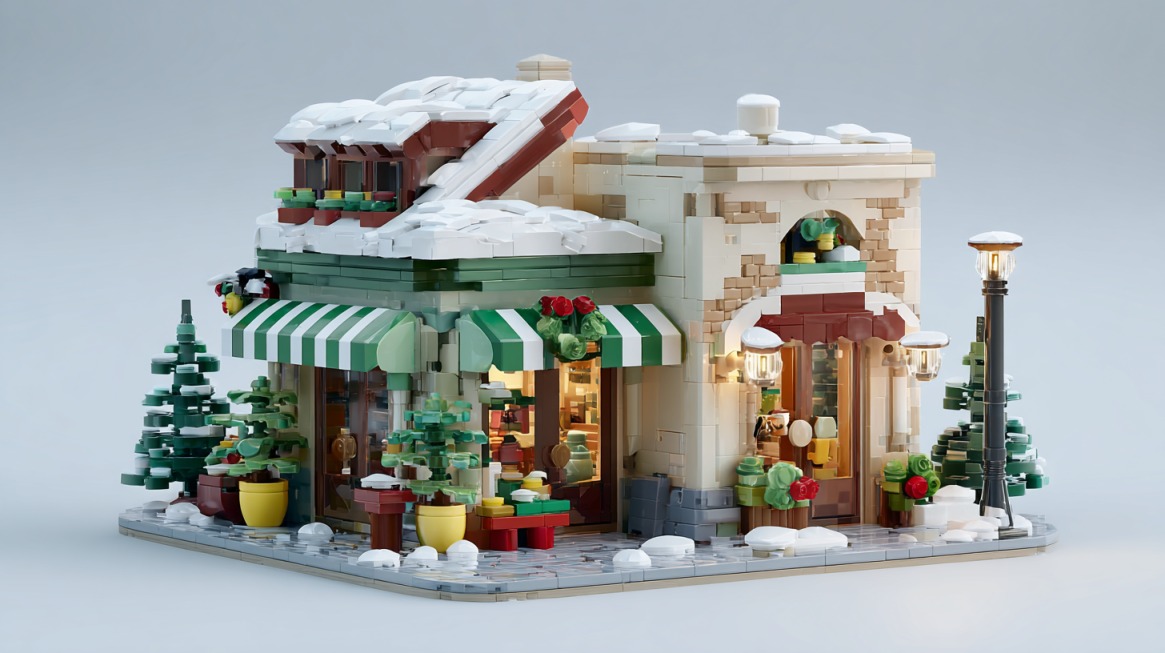
“Gift shop” sounds specific, but the category can take several shapes. A clear model removes confusion from buying decisions, pricing, and how you plan to grow.
Tourist First Gift Shop
Best for: national parks, state parks, scenic byways, railroad centers, downtown visitor clusters, museums, and areas with seasonal crowd patterns.+
Core Logic
- Small, packable items that fit in backpacks and carry-ons
- Strong West Virginia identity, including place names, maps, outdoor themes, and handmade local goods
- Pricing that supports impulse picks at checkout
Tourist-first shops often benefit from the spillover created by park visitation. An NPS report tied three southern West Virginia national park sites to about $96.5 million in local economic activity.
Lodging and dining received much of the spend, but retail showed up as part of the pie. When foot traffic flows through a corridor, small-ticket items tend to move quickly.
Local First Gift Shop
Best for: residential zones, mixed-use neighborhoods, hospitals, campuses, and office districts.
Core logic
- Repeatable gifts for birthdays, teachers, new babies, and housewarming
- Cards, wrap, candles, home goods
- Loyalty programs and restock patterns that match year-round demand
Local-first shops lean on steady patterns instead of crowd surges. A predictable customer base means you can stock deeper in bestselling categories and refine your brand around reliability and convenience.
Hybrid Shop
Many West Virginia communities experience strong visitor waves during specific months, then shift to local patterns during quieter periods.
A hybrid model carries West Virginia pride goods year-round, then rotates seasonal products for events, festivals, and holiday traffic. It is flexible and keeps revenue from dropping during slower seasons.
A Quick West Virginia Reality Check

Tourism Supports a Lot of Jobs
The visitor economy in the state supports nearly 61,000 jobs and contributes roughly $1.1 billion in taxes. You do not need to be located in a resort town to benefit.
You only need to position the shop where visitors naturally flow: near a trailhead, a historic street, a riverside walkway, a downtown weekend event area, or a museum corridor.
West Virginia Is a Small Business State
The SBA notes more than 118,000 small businesses in the state, and a large share of the private workforce is employed by them.
Competing against owner-operators requires a different mindset than fighting national chains. Partnerships, goodwill, and local relationships matter more than expensive branding.
Pick a Niche and Build a Simple Merchandise System

A gift shop becomes easier to run when inventory falls into clear buckets. Without structure, buying turns chaotic and shelves fill with random, unprofitable pieces.
Bucket A: Anchors
Your “reason to exist” products.
- West Virginia-themed goods
- Local maker pottery, woodwork, candles, soaps
- Prints, maps, apparel, mugs
- Signature bundles for hikers, new residents, and cabin owners
Rule: never let Anchor items go out of stock for long. Customers often return for these, or choose your shop specifically because you carry them.
Bucket B: Add-ons
Small items that build the basket at the register.
- Magnets, keychains, stickers, postcard sets
- Small snacks, candies, mini candles
- Pocket notebooks, small pins
Rule: keep them near high-touch points, especially checkout.
Bucket C: Seasonal and Event Items
This is make-or-break territory.
- Leaf season decor
- Holiday ornaments
- Graduation gifts
- Wedding and festival weekend stock
- Outdoor season items such as trail patches, water bottles, and camping accessories
Rule: Set a firm last reorder date for seasonal products. Miss that date and you risk being buried in leftover inventory.
Tip: A clear printable poster showing your Anchor, Add-on, and Seasonal categories can help customers understand your shop layout without asking for help.
Register and Form Your Business in West Virginia

West Virginia’s central portal simplifies setup when you follow the steps in the right order.
Step 1: Get an EIN
Apply through the IRS. You will need an EIN for banking, hiring, and formal business operations.
Step 2: Choose Your Structure
- A sole proprietor is simpler but does not separate personal and business liability.
- An LLC is common for shops because it provides a layer of separation.
- Consult a professional for your specific situation.
Step 3: Register Through the One Stop Business Portal
The portal connects filings with the WV Secretary of State when required, plus WV State Tax Department registration and WorkForce West Virginia setup. It eliminates many handoffs that cause beginners to miss a step.
Step 4: Obtain Your WV Business Registration Certificate
The WV Tax Division requires a Business Registration Certificate for operating in the state. It must be displayed openly at your location. The fee is $30. Additional reinstatement fees apply if the certificate is revoked.
Step 5: File Your Annual Report on Time
If you form an LLC or corporation, you must file an annual report between January 1 and June 30. The One Stop system supports the filing and gives reminders.
Taxes for Gift Shops in West Virginia
Taxes make up a large portion of retail compliance, especially when your business crosses municipal boundaries.
State and Municipal Sales Tax
The state sales tax rate is 6 percent. Municipalities layer their own rates on top, creating a combined rate that varies by location.
If your shop sits within a municipality that imposes sales and use tax, you must collect it. Delivery into a municipality can also trigger collection when sourcing rules apply.
Use Tax
If you buy items for use inside a municipality and did not pay the municipal tax to the seller, you may owe municipal use tax. Credits exist to avoid double taxation, but only if you document purchases correctly.
Filing Schedule
Sales and use tax filings and payments are due by the 20th of the month after the month of sales. Penalties and interest apply for late or missed filings.
If You Sell Online
The state enforces rules for remote sellers. Remote sellers must collect state and municipal sales and use tax on deliveries inside West Virginia unless they fall under the small-seller exception.
The thresholds often referenced include $100,000 in gross sales or 200 transactions in a year.
Marketplaces may collect tax on your behalf when they qualify as marketplace facilitators. Always check those arrangements before assuming they handle it.
Location and Lease

A gift shop’s fate is set early. The lease and micro-location shape foot traffic, expenses, and the experience customers have.
A Beginner Location Checklist
- Real measurable foot traffic
- Parking you can rely on
- Visibility from the street
- Signage rights in the lease
- Adequate storage and receiving access
- Hours and noise rules that do not limit operations
- Event schedules and how they affect the area
Match Location to Product Mix
- Near trails and parks: packable WV items, trail patches, stickers, snacks
- Near downtown restaurants: candles, cards, home goods, personal gifts
- Near museums: postcards, prints, local history items
Suppliers and Product Sourcing

Good sourcing prevents refunds, complaints, breakage, and disappointing margins.
A Simple Quality Bar for Every Item
- Can you reorder it easily
- Can it survive being handled and displayed
- Does it photograph well for e-commerce and Google listings
- Does the price allow a healthy margin after freight
Build Strong Relationships with Local Makers
Local goods give you a competitive edge. Many shoppers entering a West Virginia gift shop want something made in the state.
You become part of a local maker’s distribution channel, and your customers get something unique rather than mass-produced souvenirs.
Shops that also sell online or attract out-of-state visitors often rely on professional localization services to adapt product descriptions, signage, and packaging language for different markets without losing regional authenticity.
Remember that your Business Registration Certificate functions as your sales certificate for purchases intended for resale.
Hiring and Workforce Compliance

If you hire even one part-time employee, several obligations activate.
Unemployment Compensation
The One Stop system connects you to WorkForce West Virginia’s unemployment compensation accounts. The WorkForce employer handbook explains responsibilities, reporting, and deadlines.
Workers’ Compensation
The Offices of the Insurance Commissioner publishes clear guidance on workers’ compensation coverage. Retail employers must verify compliance before employees begin work.
Wage Rules
The WV Department of Labor maintains wage and hour rules, exemptions, and current minimum wage details. That is your reference point for scheduling, payroll, and training.
Startup Budget
The SBA stresses a simple truth. You must calculate startup costs early. Inventory and working capital shape retail survival more than decor or branding.
A Practical Startup Cost Map
| Cost Category | What Drives It | Common Beginner Mistake |
| Lease and deposits | Lease terms and location | Signing early without mapping full fixed expenses |
| Build-out and fixtures | Lighting, shelves, storage | Overspending on decor while ignoring lighting and layout |
| Initial inventory | Depth and seasonality | Buying too wide and too shallow |
| Tech | POS, ecommerce, accounting | Choosing tools that do not integrate |
| Insurance | Liability and property coverage | Treating insurance as optional |
| Marketing | Signage and launch efforts | Waiting until opening week to market |
| Working capital | Time to predictable revenue | Underestimating cash flow needs |
Quote each category before committing. Run a conservative monthly cash flow projection so you can see how much runway you have before the shop stabilizes.
Marketing That Works in West Virginia
View this post on Instagram
Marketing is simpler when you align with visitor patterns and state-level tourism activity.
Use the State’s Efforts for Visibility
The WV Department of Tourism invests heavily in promoting travel corridors, events, and outdoor recreation. Their campaigns influence the traffic that flows through towns. Even if you do not participate directly, you should know which areas get amplified.
A Simple Marketing Stack for WV Gift Shops
- A well-maintained Google Business Profile with updated photos and seasonal product highlights
- Clearly labeled “West Virginia made” displays
- Partnerships with nearby lodging, outfitters, museums, and visitor centers
- Small seasonal campaigns tied to local events rather than generic holidays
Merchandising as Marketing
Tourist-first shops often win through smart in-store presentation.
- A front table of “WV essentials”
- A wall section of $10 to $25 items that are easy to grab
- A premium shelf reserved for limited-run local maker goods
A 30-Day Launch Plan for Beginners

A short, structured window removes chaos from the opening phase.
Days 1 to 10: Legal and Infrastructure
- EIN completed
- One Stop registration in progress
- Business Registration Certificate planned for display
- POS selected and configured
- Insurance quotes gathered
Days 11 to 20: Inventory and Setup
- Order Anchor items first, then Add-ons, then Seasonal
- Set reorder points for top sellers
- Photograph products for your listings and social channels
Days 21 to 30: Soft Open and Adjust
- Hold a soft opening with limited hours
- Track buying patterns
- Adjust layout based on real customer behavior
- Train staff on exchanges, gift wrap, and tax collection
Compliance Habits That Protect Your Business

- Put WV filing deadlines on a calendar
- Note municipal boundaries for sourcing and collection rules
- Read remote seller and marketplace rules before turning on ecommerce
- File the annual report on time for LLCs and corporations
Summary
A gift shop in West Virginia can thrive when you anchor it in real numbers, disciplined sourcing, thoughtful location work, and compliance habits that remove surprises.
The visitor economy fuels steady demand, but the long-term success comes from how you plan inventory, build relationships, and stay consistent through each season.