

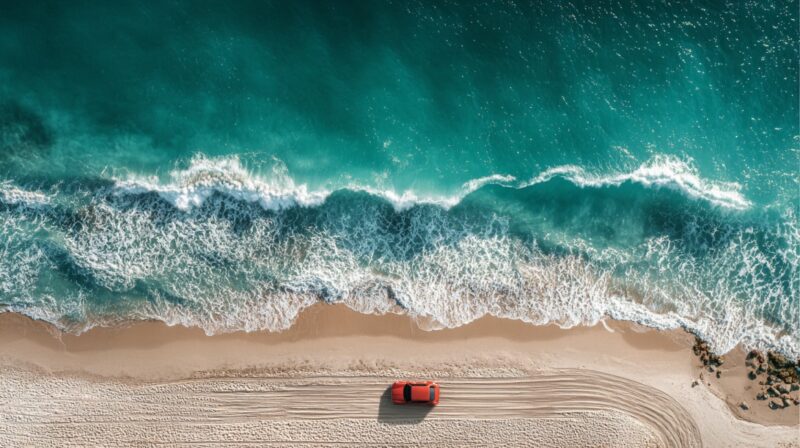
Beach living can be rewarding, but coastal conditions can quietly wear down a vehicle much faster than many owners expect.
Salt in ocean air, high humidity, morning dew, blowing sand, strong sun, and occasional contact with seawater all work together to speed up corrosion and surface damage.
A car does not need to be splashed by waves to suffer harm. Salty mist settles on metal, paint, glass, and rubber every day in many shoreline areas.
Problems often build slowly, which makes them easy to ignore during early ownership.
A vehicle may still look clean and solid while rust begins underneath, around hardware, or inside exposed components. Small scratches, worn seals, and neglected underbody buildup can turn into expensive repairs over time. Proactive care makes a major difference.
Proactive care makes a major difference. And since coastal living often means regular trips to the shoreline, it also helps to think beyond the vehicle itself and bring along gadgets that make spending the day at the beach more comfortable, so the whole outing stays easier on both you and your car.
Frequent washing, paint protection, regular inspections, and steady maintenance can help slow coastal wear and keep a car in better condition for years.
Why Coastal Environments Are So Hard on Cars
Coastal living puts a vehicle in contact with several damaging forces at the same time.
Salt hangs in the air, moisture settles on exposed surfaces, sand works its way into moving parts, and intense sun wears down exterior protection.
Damage rarely comes from one source alone. Most coastal wear happens because these conditions keep interacting day after day until small problems turn into visible corrosion, paint failure, or mechanical trouble.
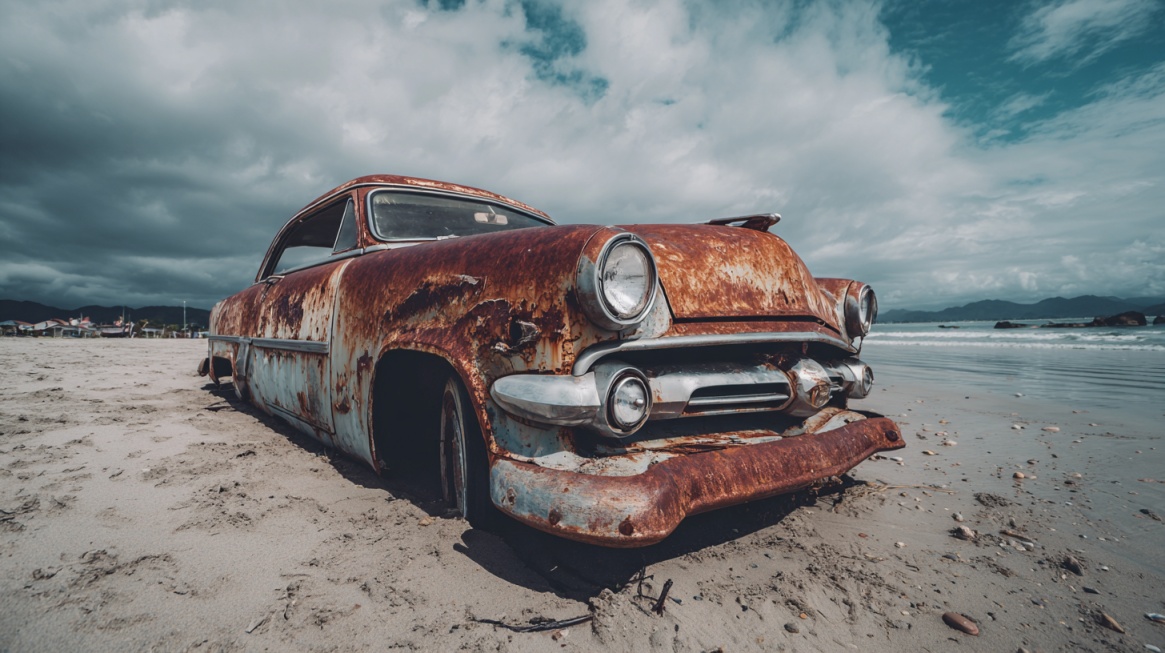
Salt in the Air Accelerates Corrosion
Ocean spray sends salt into the air, and that salty mist settles onto vehicles even when they never go near the waterline.
Salt by itself is already a concern, but moisture makes it much more aggressive. Fog, rain, humidity, and overnight dew help salt cling to metal surfaces and create the conditions corrosion needs to spread faster.
Rust can start in places an owner does not inspect often, especially underneath the vehicle, around exposed hardware, or along seams where moisture lingers.
A car does not need dramatic exposure for salt damage to begin. Daily contact with salty air can quietly coat painted panels, trim, fasteners, and underbody parts.
Once that residue stays in place long enough, corrosion can begin working into small chips, weak spots in paint, and exposed metal edges.
- Salty mist settles on a vehicle even without direct seawater contact
- Humidity and dew keep salt active on metal surfaces for longer periods
- Fog and light rain can spread residue into seams, joints, and hidden areas
- Underbody sections are especially vulnerable because moisture and grime collect there easily
Sand Is Abrasive
Sand does more than leave a dusty film on the exterior.
Fine grains act like an abrasive material, and repeated contact can wear down parts that depend on smooth movement or clean airflow.
Brake pads can wear faster, air filters can clog sooner, and rubber belts can weaken after long-term exposure.
Small particles also get into tight spaces, which increases friction and adds stress to parts that were not designed for constant grit.
Exterior surfaces also pay a price.
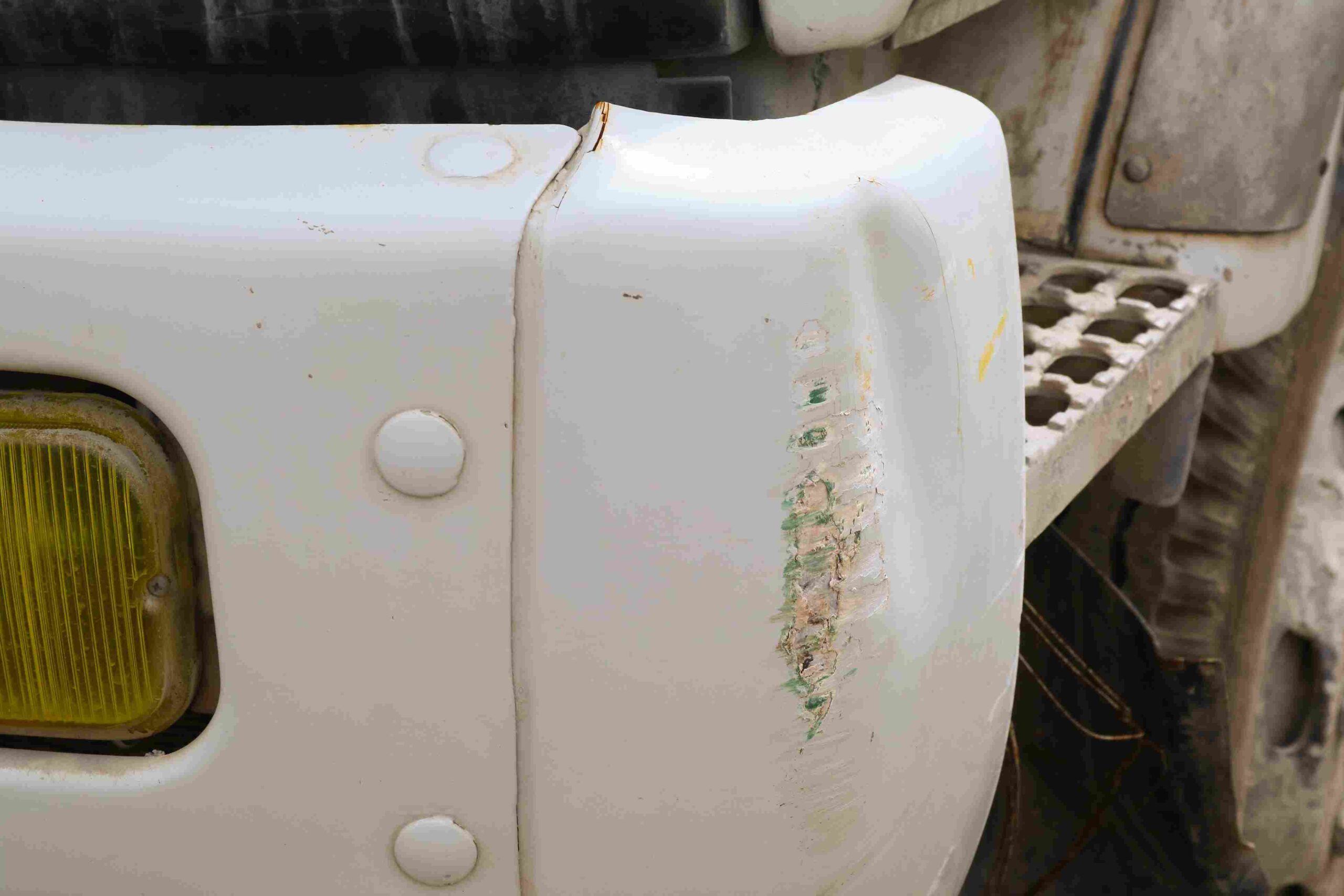
Sandy roads and beach driving can scratch the paint, and those scratches matter much more in coastal areas because salty moisture can reach damaged spots quickly.
Once metal is exposed, rust can begin far sooner than many owners expect.
- brake components can wear faster when grit gets into contact areas
- air filters may clog early, which can reduce airflow and affect performance
- rubber belts can lose strength over time because sand acts like a grinding material
- paint scratches become more serious near the coast because salt and moisture can turn them into rust spots
Sun and Heat Worsen Exterior Damage
Strong sun adds another layer of stress to a car already exposed to salt and moisture.
Heat can open tiny pores in automotive paint, making it easier for salty moisture to penetrate the surface. Once that happens, paint protection becomes less effective and corrosion risk increases.
Salt crystals also create their own problem because they are abrasive and can slowly wear down the clear coat as they collect on the exterior.
Long periods of intense sunlight can cause visible cosmetic damage even before rust becomes obvious.
Oxidation, fading, and paint blistering are all more likely when sun exposure and salt buildup keep working together. As exterior protection weakens, body panels become much more vulnerable to moisture intrusion and long-term deterioration.
One reason this combination is so hard on cars is that each factor makes the next one worse.
Heat weakens paint, salt settles into that weakened surface, and moisture helps corrosion spread.
- fading that dulls the finish and reduces surface protection
- oxidation that signals the paint system is breaking down
- blistering that may suggest moisture is getting trapped under the surface
- faster clear coat wear that leaves body panels less protected
Most Common Types of Beach-Related Car Damage

Beach-related wear affects far more than the visible body panels.
Many of the most serious problems develop underneath the vehicle, inside brake components, or around exposed hardware that takes daily abuse from salty air and moisture.
A car can still look polished on the outside while corrosion is already building in places that matter more for safety and long-term reliability.
Filters, Belts, and Hardware
Air filters, rubber belts, and metal hardware all suffer in sandy, salty conditions.
Interior surfaces also take constant abuse in coastal areas, so protective accessories like GMC floor mats can help contain sand, moisture, and debris before they soak into the carpeting and become harder to clean.
Air filters can clog faster when a vehicle spends a lot of time near blowing sand or beach access roads.
Reduced airflow can affect engine performance and increase service needs. Rubber belts also face steady stress because fine grit acts like a grinding material during repeated exposure.
Fasteners are another weak point.
Nuts, bolts, and small pieces of hardware corrode easily in salty air, which can weaken important components and make future repairs more difficult.
A mechanic trying to remove rusted fasteners may face broken bolts or seized hardware, which raises labor time and repair costs.
- air filters may need more frequent inspection and replacement
- belts can crack, weaken, or fail sooner after repeated abrasive exposure
- rusted fasteners can make simple repairs much more complicated
- corroded small hardware can weaken attachments and support points
Undercarriage and Frame Corrosion
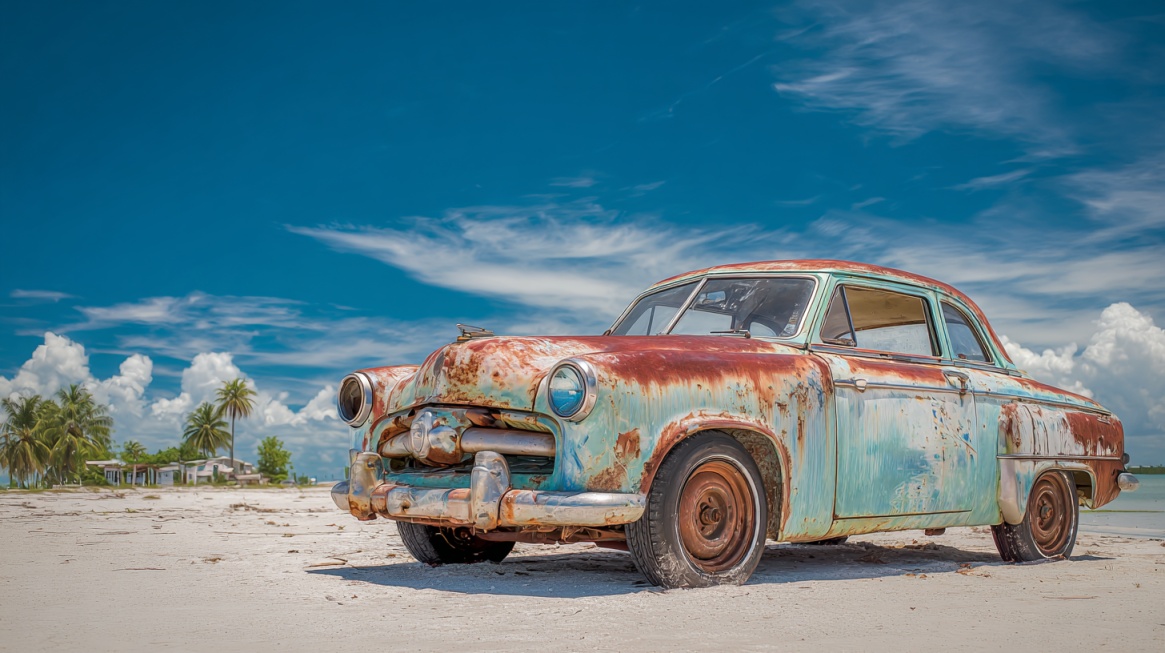
Undercarriage corrosion is one of the most serious risks for cars kept near the beach.
Salt, moisture, and road grime collect underneath the vehicle and often stay there longer than owners realize.
Frame sections, crossmembers, mounting points, and exposed metal surfaces sit close to road spray, so they take steady abuse in coastal conditions. Long-term structural damage often begins in these lower areas well before the body shows obvious rust.
A vehicle can look clean along the doors and hood while serious buildup is collecting underneath.
Hidden corrosion is dangerous because it can weaken structural parts gradually, and many drivers do not inspect those areas closely during normal washing.
- frame rails and support sections that trap grime and moisture
- mounting points and brackets exposed to road spray
- weld seams and edges where protective coatings can wear thin
- metal surfaces near wheel wells where salt and debris collect heavily
Brake System Wear and Corrosion
Brakes face two major coastal threats at once. Sand adds abrasive wear, and salt air plus moisture encourage corrosion on key components.
Brake pads can wear prematurely when grit gets into the system, while brake calipers, lines, and related hardware can corrode as salt builds up over time.
If moving parts begin to seize or metal lines start to weaken, the issue can turn into a safety concern.
Early warning signs are not always dramatic. A driver may first notice rough braking, unusual noise, or reduced smoothness during stops.
Those smaller symptoms deserve attention because neglected corrosion can keep spreading even after the visible grime is washed away.
- premature pad wear caused by abrasive sand
- corroded calipers that do not move as freely as they should
- rust on brake lines and hardware that can weaken the system
- reduced braking consistency if parts start sticking or binding
Paint, Clear Coat, and Body Rust
Exterior damage is often the first type of coastal wear people notice, but by that point the protective finish may already be compromised.
Salt air and strong sun can increase moisture absorption in the paint, which raises the risk of corrosion.
Salt crystals can wear down the clear coat over time, and sunlight can trigger oxidation, fading, and blistering.
Once those protective layers weaken, moisture can reach the metal underneath and start rusting it.
Small defects matter much more near the beach than they do in drier locations. A minor scratch, stone chip, or thin patch in the clear coat can become an entry point for salty moisture.
Rust then begins under the surface and may spread before it becomes easy to spot.
Exhaust and Suspension Components
Exhaust and suspension parts sit low on the vehicle, so they face constant exposure to salt, moisture, and road debris.
Exhaust systems are especially vulnerable because mufflers, pipes, hangers, and clamps often rust quickly in coastal conditions.
Suspension parts also take steady abuse, especially on cars parked outdoors near the ocean.
Springs, control arms, bushings, and related components can corrode over time, which may affect ride quality, alignment, and overall reliability.
Rust in those areas can also make inspections and repairs more involved because seized parts are harder to remove and replace.
Electrical and Electronic Issues
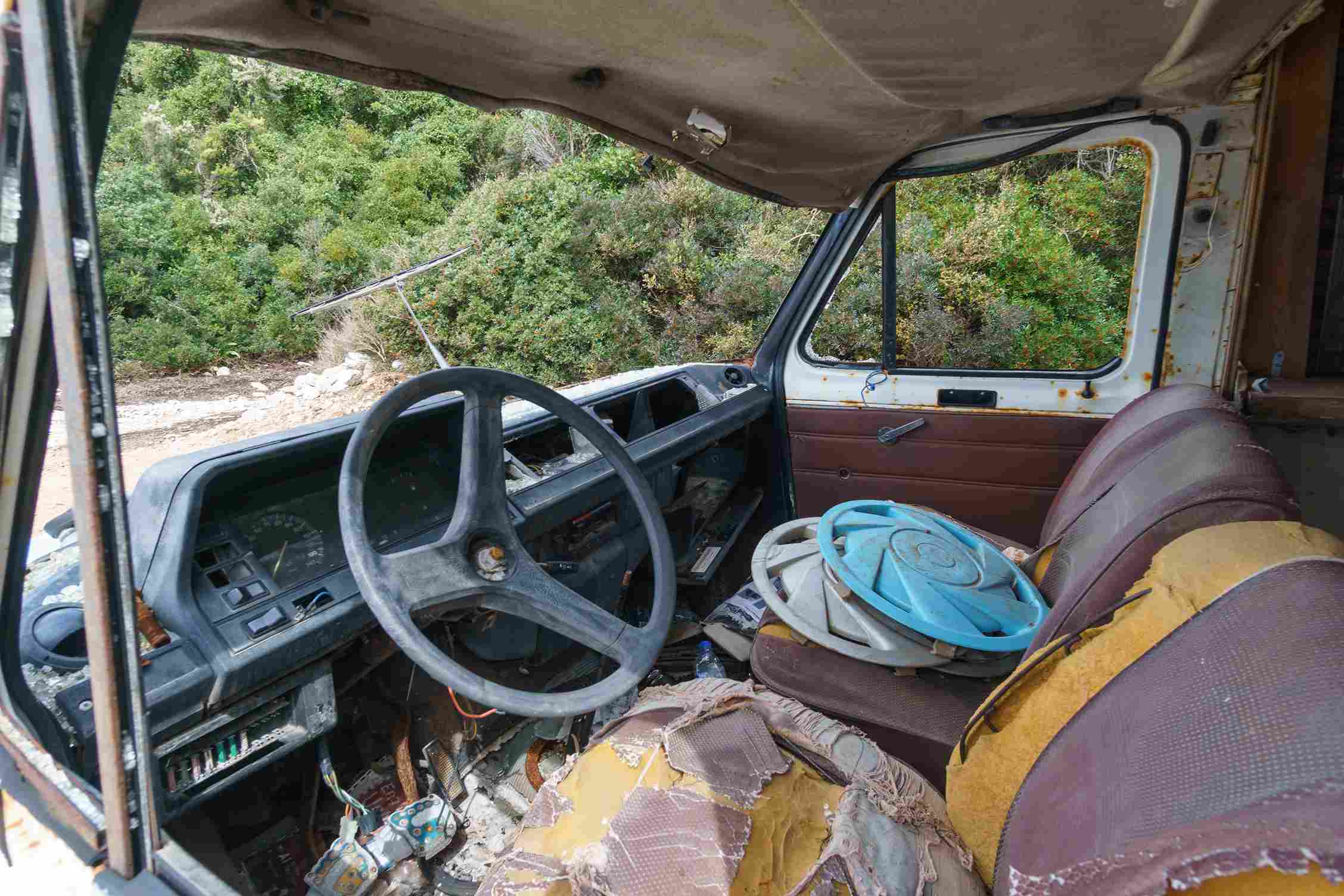
Modern vehicles depend on a large network of wiring, sensors, switches, and connectors.
Salt and moisture can create major trouble in those systems, especially once rubber seals begin to age or crack.
Corrosion inside connectors or along wiring harnesses may start with small glitches and later grow into expensive failures.
Electrical damage is easy to dismiss in the beginning because the symptoms may seem random.
A flickering light, a faulty switch, or a power accessory that works only part of the time may not look serious at first. In coastal conditions, those issues can point to corrosion that is already spreading through vulnerable connections.
Vehicles parked outside near the coast face higher risk because their electrical systems are exposed to more daily moisture and salt residue.
Why Damage Often Goes Unnoticed at First
Coastal damage usually builds slowly, which is one reason many owners underestimate it.
A vehicle may spend years looking clean and reliable while corrosion begins underneath, around hardware, or inside parts that are not part of normal visual checks.
Early coastal wear often develops in hidden areas first, so the lack of obvious rust does not mean the car is free of damage.
That slow pace creates false confidence. Many drivers assume their vehicle is handling beach conditions well because nothing dramatic has shown up yet.
In reality, corrosion can be progressing quietly during the first years of ownership, only becoming obvious after damage has had time to spread.
A general timeline helps explain why coastal wear is so deceptive. Many vehicles go through a honeymoon period of about three to five years with little visible evidence of trouble. After that, minor rust spots often begin appearing in roughly five to seven years.
By then, hidden corrosion may already be more advanced than the exterior suggests.
Visible appearance can be misleading in coastal settings. A shiny exterior does not guarantee a healthy frame, brake system, or underbody. Damage is cumulative, and serious trouble often starts underneath long before body rust becomes obvious.
Repair costs can also rise quickly once corrosion spreads into large exterior panels or major structural areas. In severe cases, repairing and repainting a badly corroded body can cost so much that replacing the vehicle may make more financial sense.
Summary
Beach living does not usually destroy a car all at once.
Coastal damage builds slowly through a compounding mix of corrosion, abrasion, heat, and moisture exposure.
Early years may look trouble-free, but hidden wear can still be progressing underneath the vehicle and inside vulnerable components.
Owners who stay consistent with those steps give their vehicles a much better chance at avoiding serious rust, mechanical trouble, and expensive repair costs.